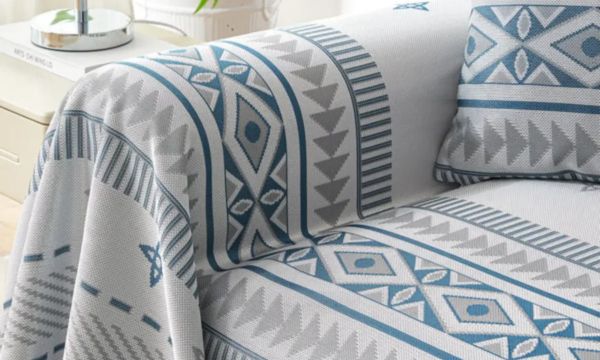
With a patchwork quilt, you can turn fabric scraps into something unique and special.
Ad
Have you ever thought about transforming forgotten fabrics into something full of meaning?
A patchwork quilt brings together creativity and memory.
Ad
More than just decoration, it carries stories and emotions, adding a handmade touch that makes any space feel more welcoming.
And the best part is that you don’t need to be an expert to start making your own patchwork quilt.
Ad
With a few simple materials and a bit of patience, you can already create something unique and full of meaning.

What a Patchwork Quilt is and Why it’s Trending
A patchwork quilt is made by joining different pieces of fabric.
These fabrics are arranged and sewn together, forming patterns that can be simple or more elaborate.
The most interesting part is that each piece is unique, because it depends entirely on the choices of the person creating it.
In recent years, patchwork has made a strong comeback, mainly due to the search for more hands on activities.
Many people now value slower, more creative processes in daily life, seeking a deeper connection with what they create.
In addition, sustainability has brought even more attention to this type of handmade project.
It’s a trend that combines style, purpose, and a connection with what truly matters.
How to Choose Fabric Scraps that Actually Work
Choosing the fabrics is one of the most important steps in creating your patchwork quilt.
It’s not just about using any piece, but about making combinations that actually work well together.
Following a few simple criteria already makes a big difference in the final result.
Pay attention to the fabric quality, giving preference to materials that are more durable and easier to sew.
Avoid fabrics that are too thin or slippery, as they can make the process much more difficult.
Try to keep similar textures among the pieces to make sewing and finishing easier.
Separate fabrics by colors, patterns, or styles before starting the assembly.
Test combinations before sewing to better visualize the final result.

Simple Tricks to Combine Beautiful Colors
The choice of colors can completely transform the final result of your patchwork quilt.
A good strategy is to start by defining a base color palette that will guide the entire composition.
From there, you can work with harmonious variations that blend well together.
Mixing patterns is also possible, as long as there is a common element connecting them.
Neutral tones help balance more vibrant and eye-catching compositions.
They act as a visual resting point, making the overall piece more pleasant to look at.
Another useful tip is to distribute stronger colors throughout the quilt, avoiding concentration in just one area.
Easy Sewing Techniques to Start without Fear
If you’re just starting out, you don’t need to complicate your patchwork quilt. There are simple approaches that already deliver beautiful results.
The secret is to start with confidence and evolve at your own pace.
Start with basic shapes
Working with basic shapes, such as squares and rectangles, makes the process much easier in the beginning.
These shapes are easier to align and help maintain a good visual pattern.
They also allow small adjustments without compromising the final result.
Choose between hand sewing or machine sewing
You can choose hand sewing or machine sewing, depending on what feels more comfortable for you.
Hand sewing offers more control, while machine sewing provides more speed.
The most important thing is to choose what makes you feel confident during the process.
Keep your seams firm and aligned
One of the most important aspects is ensuring a firm and aligned seam at every step.
This helps prevent the piece from becoming uneven and improves the final finish.
With attention to detail, the result becomes much more beautiful and durable.
Remember, the key is to start simple and evolve naturally, respecting your own pace.

How to Assemble your Quilt the Right Way (without Mistakes)
Before sewing, arrange the fabrics on a flat and well lit surface, making it easier to visualize the overall composition.
This allows you to make adjustments before sewing, avoiding mistakes and improving the final result.
A good practice is to assemble smaller blocks first before joining the entire quilt, giving you more control.
This way, you reduce the risk of misalignment and can correct details more easily.
Maintaining a consistent seam allowance is also essential to ensure everything fits properly.
Small differences can affect the final result of the quilt, even if they seem minor at first.
Taking time to review each step helps avoid mistakes and rework, making the process smoother and more enjoyable.
Creative Ideas to Make your Quilt Unique
One of the best parts of creating a patchwork quilt is being able to explore your creativity without limits.
This is where your piece starts to gain personality and meaning.
- Use fabrics with sentimental value, such as old clothes or items that hold special memories.
- Turn those memories into something tangible, creating a quilt full of meaning.
- Add embroidery, appliqués, or personalized details to make the piece even more unique.
- Mix different sizes of fabric pieces to create movement and visual identity.
- Try following a specific theme, such as soft tones, vibrant colors, or floral patterns.
- Combine different styles to create a creative and authentic composition.
Why this Project is Sustainable and Economical
Creating a patchwork quilt is a practical and smart way to reuse materials that still have great value.
You use fabrics that might otherwise be discarded, giving them a new purpose and avoiding unnecessary waste.
This directly contributes to more conscious consumption, bringing more intention into your daily life.
In addition, it is an economical project, since many materials can be reused creatively.
You don’t need to invest a lot to create something beautiful, functional, and meaningful.
Another important point is the development of new skills throughout the process.
Over time, you learn techniques, improve your practice, and gain more confidence in what you do.
In the end, you create something useful, beautiful, and sustainable, making more conscious choices without giving up creativity.